
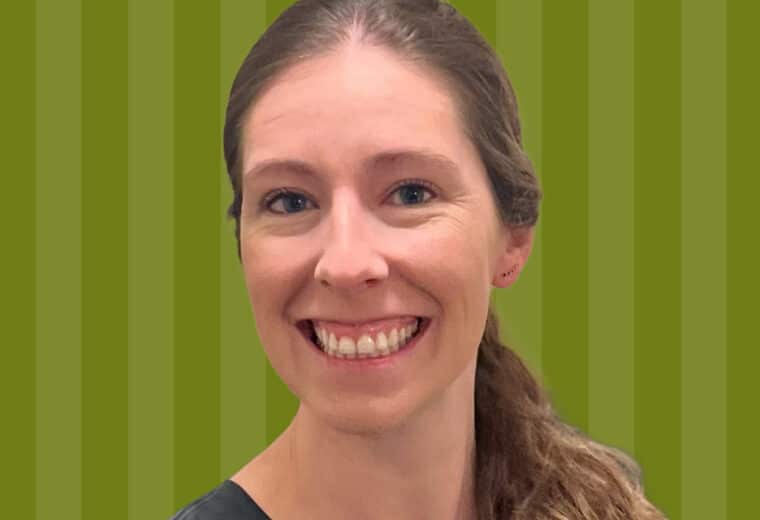
Nicole Rockey: Engineering Roadblocks Across Pathogens’ Paths to Infection
New faculty member Nicole Rockey mixes expertise in civil engineering and virology to make our indoor environments less hospitable to disease-spreading microbes
New faculty member Nicole Rockey mixes expertise in civil engineering and virology to make our indoor environments less hospitable to disease-spreading microbes

A new AI approach needs only a small amount of visual data to identify and track plumes of smoke in satellite imagery

How well toxic elements leach out of coal ash depends on the ash’s nanoscale composition

Plastic particles are everywhere in our environment. Wiesner explains in this Q&A why we must better understand the implications

The IoT is expanding measurement and data analysis capabilities, with applications in air quality, earthquake sensing applications and beyond
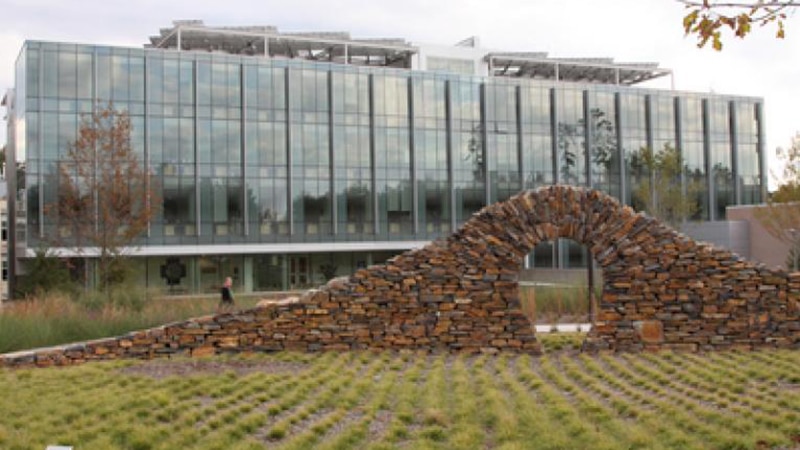
DUSRC brings together teams of scientists, engineers and social scientists to advance solutions to the most pressing and complex issues in environmental health
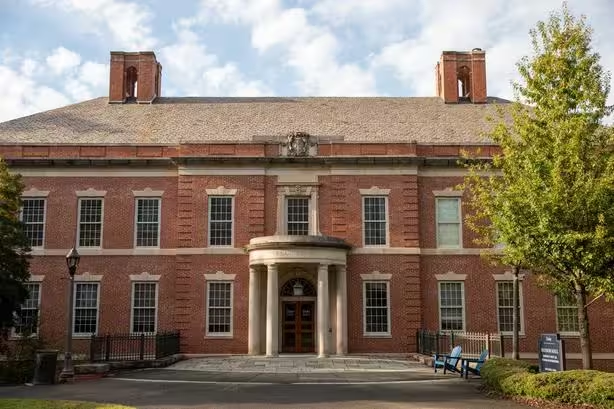
Hurricane season is here. Here’s what you should know about flooding, floodwater contaminants, and those baffling spaghetti models

Duke ECE and CEE faculty will use AI to identify and track behavioral characteristics associated with autism

CEE Professor Lee Ferguson helps brief media on hurricane preparation in NC

This year’s DST Seed Grant winners represent the great potential for significant medical, engineering and scientific contributions to region and nation.
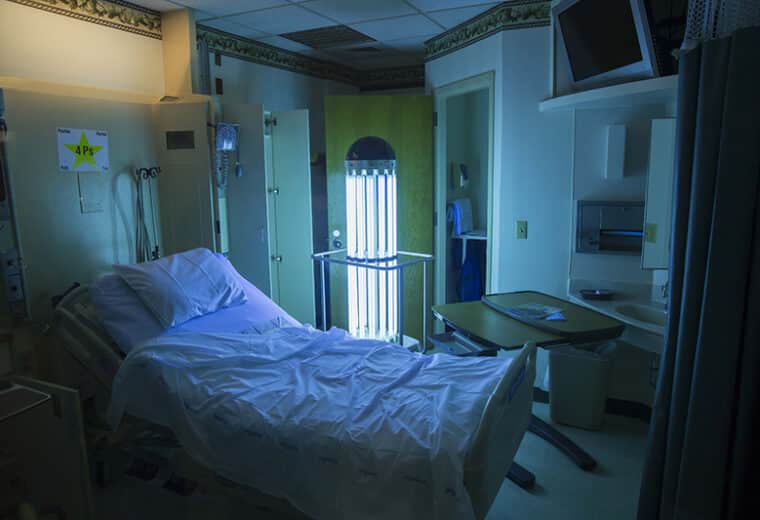
New $26 million center will work to understand and engineer the microbiomes in our homes, workspaces and other built environments

Duke risk engineers write that a consideration in deciding whether to pursue solar radiation modification to offset global warming should be a comparison of climate risk reduction against the severity of any countervailing risks